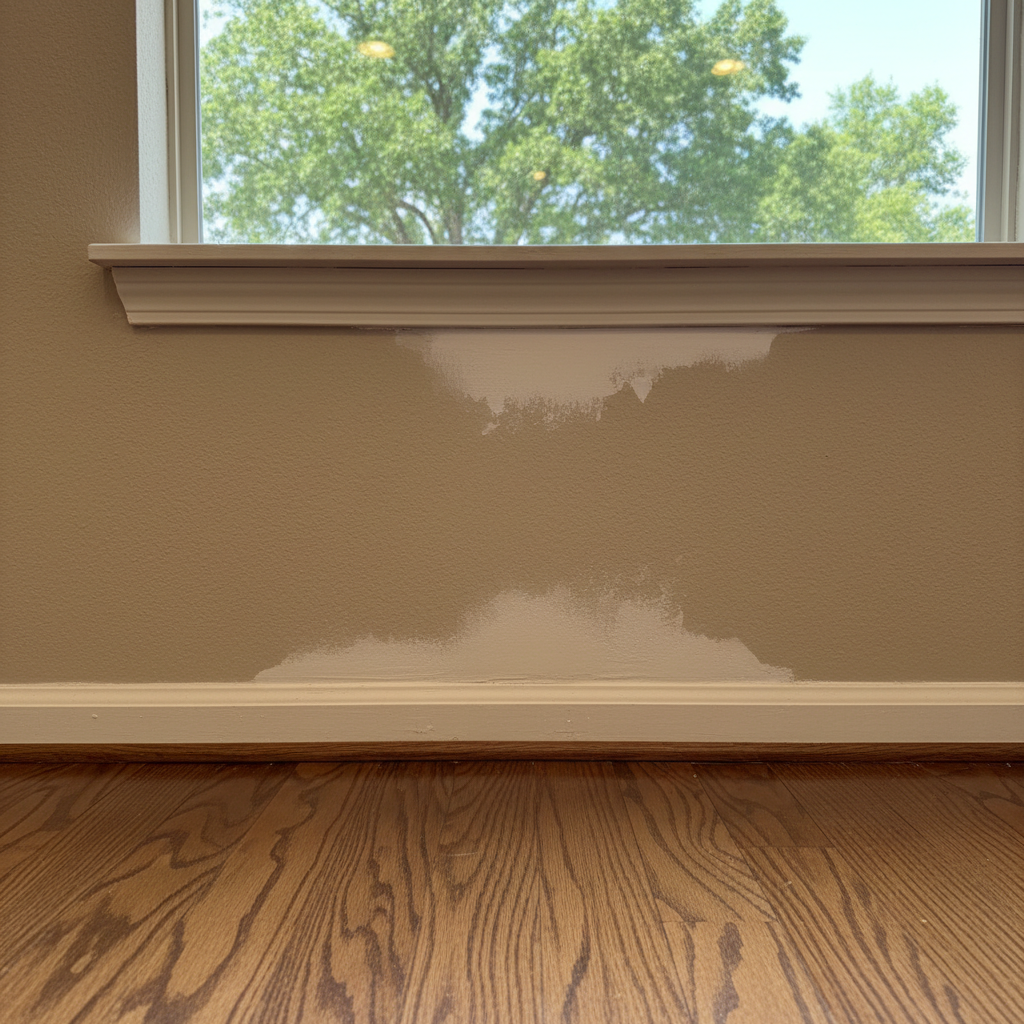
Water Damage Restoration is a serious problem for properties in DeSoto, TX. One minute you are enjoying a quiet evening, and the next minute you have water coming from a failed supply line or a sudden roof leak during a heavy North Texas thunderstorm. When you are dealing with standing water in a home around the Meadowbrook or Eagle Ridge areas, every single minute counts. National Restoration Company sees plenty of homes built on those active clay soils where moisture changes can wreak havoc fast, so knowing how to react before, during, and after a water event makes all the difference.
Before Water Damage Restoration is ever needed, you need a basic plan. Do you know where your main water shut-off valve is? Go find it right now. If it is stuck or rusted, get a plumber to fix it today. Most homeowners do not think about these things until water is rushing across their baseboards. Keep a heavy-duty wet-dry vac in the garage and make sure your gutters are clear so heavy seasonal rains do not pool against your foundation. Being prepared means you will not panic when things go sideways.
What to Do During the Crisis
The moment you discover major water intrusion, your safety comes first. Shut off the main water supply if the leak is internal, and kill the power to the affected rooms at the breaker box if water is anywhere near outlets or appliances. Do not take chances with electrical safety. Once you know the area is safe to enter, you have to decide what you can handle yourself versus when it is time to call in a crew like National Restoration Company.
You can realistically handle minor spills, small appliance leaks, or a puddle from a loose sink trap yourself. Grab towels, mop up what you can, and set up standard box fans to get air moving. But if water has wicked up drywall, soaked into insulation, or covered a large floor area, DIY methods will not cut it. DeSoto's humid climate means trapped moisture turns into mold spores within 48 hours. Professional extraction units, commercial dehumidifiers, and moisture meters are required to pull water out of subfloors and wall cavities before structural rot sets in.
Handling the Aftermath and Drying Phase
Once the standing water is gone, the real work begins. This is where homeowners often make the mistake of thinking things are dry just because the surface feels okay. Grab a moisture meter or hire someone who has one. Baseboards, tack strips, and drywall hold onto water for a long time. Keep those commercial air movers running and document everything with photos for your insurance adjuster. Clear out damaged items carefully, and do not seal up walls until professional readings show normal moisture levels. Taking shortcuts now leads to costly repairs later, so make sure the job is done right from start to finish. For homes and businesses in DeSoto, National Restoration Company provides Water Damage Restoration services.